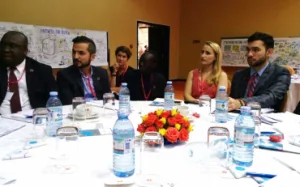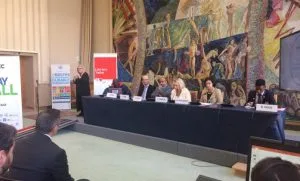

For three days in Nairobi, the voices of young people with disabilities were not confined to the audience. They were on the stage, leading conversations, challenging assumptions, and helping shape discussions about Africa’s digital future.
At Inclusive Africa 2026, youth leaders Isaac Muhumuza (Uganda), Leon Juma (Kenya), and Goldalyn Kakuya (Kenya) from the We Can Work Youth Leadership Programme (a project of Light for The World, in partnership with Mastercard Foundation and African Disability Forum) joined innovators, policymakers, development partners, and disability advocates from across the continent to explore how technology, artificial intelligence, and accessibility can advance inclusion.
One of the defining moments of the conference was a panel discussion on ‘Gig Economy, AI and Decent Work Opportunities’, where Isaac shared practical insights on the barriers and opportunities facing young persons with disabilities in the future of work. Drawing from his lived experience, he emphasized that accessibility must be built into digital platforms, recruitment systems, training programes, and workplace technologies from the outset.
“Building an inclusive gig economy requires deliberate action, accessible design, and meaningful participation of persons with disabilities in shaping the future of work,” he noted.
The conversation on inclusion continued during a fireside chat moderated by Leon Juma on ‘Building Inclusive Futures Through Employment and Accessibility in Africa’. Through a candid conversation with Isaac, Leon guided discussions on the barriers that many persons with disabilities continue to face in accessing education, employment opportunities, assistive technologies, and accessible workplaces. The session reinforced a simple but powerful message. Inclusion is not charity. It is a matter of rights, dignity, and equal opportunity.
Youth leadership was equally visible in another fireside chat moderated by Goldalyn Kakuya, which explored the importance of meaningful participation and co-creation. Through her discussion with disability advocate Stephanie Egharevba from Nigeria, participants were challenged to move beyond designing for persons with disabilities and instead design with them. The conversation emphasized that accessibility should be embedded throughout the entire innovation process, from ideation and design to testing, production, and launch.
Beyond the formal sessions, the conference created opportunities for learning, networking, and collaboration. Through panel discussions, interviews, and engagements, the youth leaders connected with experts, innovators, and institutions working to advance disability inclusion across Africa.
Reflecting on the experience, Leon described the conference as a valuable learning opportunity.
“As an IT person and a developer of solutions, I will now go back to review all my projects to ensure accessibility and inclusion,” he said.
For Goldalyn, moderating discussions and engaging with stakeholders strengthened her confidence as a young leader and advocate. The platform also enabled her to showcase her Last Mile leadership project, which seeks to improve access to sunscreen, education, and livelihood opportunities for children and youth with albinism living in rural communities.
Their participation at Inclusive Africa 2026 reflects the broader vision of the We Can Work Programme: empowering young persons with disabilities to become leaders, advocates, innovators, and contributors to Africa’s development. As conversations throughout the conference repeatedly demonstrated, a truly inclusive digital future can only be achieved when persons with disabilities are not only consulted but actively involved in shaping solutions.
The experience left the youth leaders with new partnerships, fresh ideas, and a renewed commitment to advancing inclusion within their communities. Their message was clear. When young people with disabilities are given the space to lead, they do not simply participate in conversations about the future but help define it.