Side Event
Making disability rights a continental pledge: A call for ratification and implementation of the African Disability Protocol
9 June 2026
1.00 – 2.30 PM EST
Nelson Mandela Hall at the African Union
Your Excellencies,
Representatives of African Union Member States,
Leaders of Organizations of Persons with Disabilities,
Development Partners,
Ladies and Gentlemen,
Good afternoon,
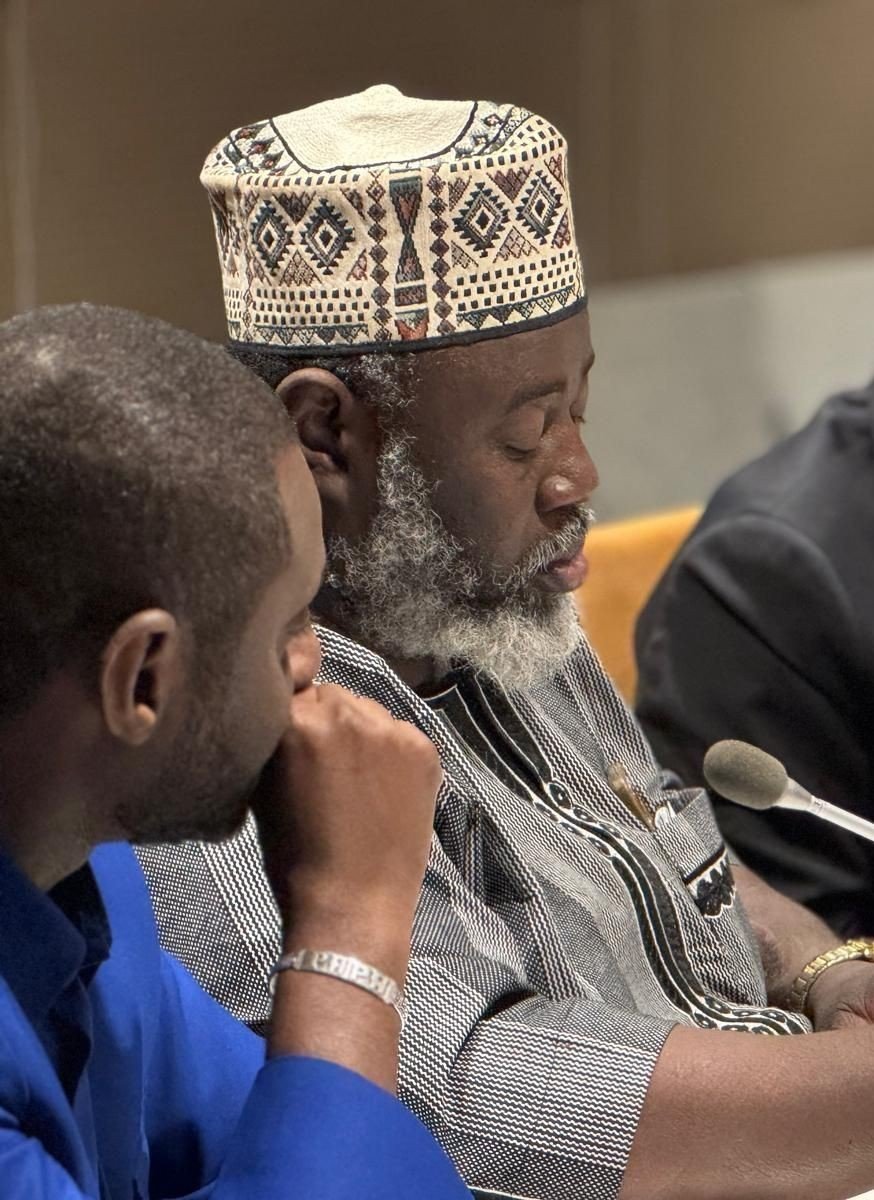
My name is Idriss Maiga. I am the President of the African Disability Forum (the ADF).
It is an honor to address you today on behalf of the ADF.
ADF is an umbrella organization comprising 10 continental, 4 sub-regional and 49 national umbrella federations of Organizations of Persons with Disabilities (OPDs) in 49 African countries.
Today, we gather at a pivotal moment in the history of disability rights on our continent.
This year we are marking the 20th anniversary of the Convention on the Rights of Persons with Disabilities which has been ratified by vast majority of the African Union member States (about 45 countries).
Alongside this global milestone, the entry into force of the Protocol to the African Charter on Human and Peoples’ Rights on the Rights of Persons with Disabilities in Africa (the African Disability Protocol) marks a historic achievement for Africa.
The African Disability Protocol is the only regional human right instrument to be developed after the CRPD, that aligns with global standards aligns with global standards while delivering uniquely African solutions to African challenges.
It speaks to our continental challenges and responds to them such as harmful cultural practices including the killing of persons with albinism.
About three weeks ago, there were saddening reports from Malawi that a person with albinism was targeted and killed. This violence must stop.
This is why African Disability Protocol matters.
However, adoption and coming into force of the African Disability Protocol is just a mere rhetoric if countries are not ratifying and implementing it.
Since 2018, the ADF has embarked on strategic advocacy towards ratification and implementation of the African Disability Protocol.
Today, I would like to reflect on the lessons we have learned throughout this journey and share our call to action for African Union Member States.
Putting persons with disabilities and organizations of persons with disabilities at the center
Today, we celebrate 17 countries that have ratified the African Disability Protocol.
The progress we celebrate today did not happen by chance. It happened because persons with disabilities through their representative organizations organized, mobilized, and engaged governments and human rights bodies at national, regional, and global levels.
Our members have engaged with the Committee on the Rights of Persons with Disabilities which has explicitly recommended member states ratify the African Disability Protocol.
In 2024, we convened the first regional disability conference which culminated into Nairobi Declaration.
The Nairobi Declaration included a call for continental ratification of ADP. Through these efforts, we saw Tanzania commit through the Global Disability Summit 2025, to ratify the African Disability Protocol.
Last year, for the very first time, the G20 was on the African soil. I commend the South African government for ensuring rights of persons with disabilities firmly remain in the agenda.
Today, ADF is leading organizations of persons with disabilities engagement with the African Commission on Human and Peoples’ Rights following the granting of Observer Status in 2025. Our members are submitting alternative reports and addressing the Commission.
But this cannot happen without partnerships.
The success of ADF campaigns on the African Disability Protocol reflects the collective efforts of governments, development partners and the African Union. Several partners including the International Disability Alliance, Sight Savers International, GIZ, Disability Rights Fund and the Working Group on the Rights of Older Persons and People with Disabilities have supported these efforts.
We have learned that sustainable progress requires cooperation, trust, and shared responsibility.
Partnership with the Republic of Kenya has made today’s dialogue possible. We acknowledge and are grateful for this partnership.
Excellencies, ratification is just a means, not an end
We celebrate the national legal and policy reforms. However, implementation is still lacking.
The true value of the African Disability Protocol will be measured by whether a child with albinism can safely play in his community, whether a woman with intellectual disability can open a bank account, whether a refugee with disabilities in Kakuma can access healthcare, and whether older persons with disabilities can have decent housing and access cash transfers.
Colleagues, to achieve these we need resources to ensure no person with disability in Africa is left behind
Political commitment is important, but commitment without investment cannot achieve disability inclusion
Disability inclusion requires budgets and capacity strengthening.
We must make the 15% of international cooperation for disability inclusion a reality.
Finally, we must be accountable.
We need to assess how we are translating commitments into action. That is why disability-disaggregated data and monitoring mechanisms are critical.
Strengthening of the AU regional human rights mechanisms must be a priority for the African Union to ensure accountability.
As I close, Excellencies, our call to AU member states is:
- Ratify the African Disability Protocol,
- Domesticate it and harmonize national laws,
- Allocate adequate resources,
- Strengthen partnership with organizations of persons with disabilities,
- Invest in data collection, analysis and use,
- Strengthen the African Commission on Human and Peoples Rights.
Thank you.