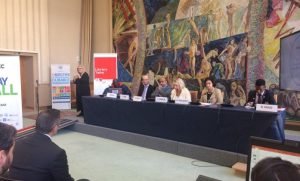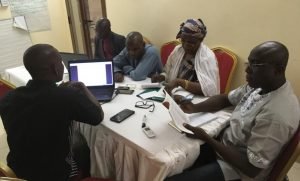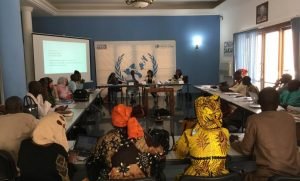
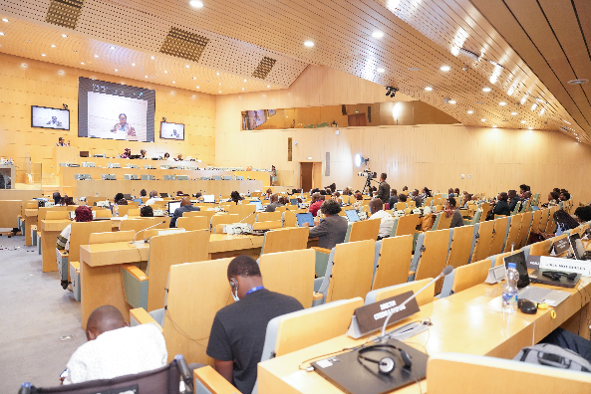
The African Disability Forum (ADF) participated in the ARISE Africa II Convening on Advancing the Common African Position on Ending Violence against Children and the Validation of the African Union Model Law on Child Online Safety, held from 16–17 July 2026 at the African Union Headquarters in Addis Ababa, Ethiopia.
The two-day convening brought together representatives from African Union Member States, Regional Economic Communities, development partners, civil society organizations, children and young people, including youth with disabilities, and other key stakeholders to review and validate two important continental frameworks aimed at strengthening child protection across Africa.
The meeting focused on developing a unified African approach to ending violence against children while also validating the proposed African Union Model Law on Child Online Safety. As digital technologies become increasingly integrated into children’s lives, the discussions emphasized the need for policies that protect children both offline and online while promoting their rights, participation, and well-being.
As the continental representative organization of persons with disabilities in Africa, ADF actively contributed to both plenary and breakout discussions, advocating for the meaningful inclusion of children and youth with disabilities throughout the proposed frameworks.
During the deliberations, ADF emphasized that children with disabilities continue to face disproportionate risks of violence, abuse, neglect, and exclusion. The Forum called for disability inclusion to be intentionally integrated across all policy and legislative frameworks rather than treated as a separate consideration. This includes ensuring that prevention, protection, reporting, response, and justice mechanisms are accessible and responsive to the diverse needs of children with disabilities.
ADF also highlighted the importance of recognizing the voices and lived experiences of children and young people with disabilities in policy development. Meaningful participation, the Forum noted, is essential to ensuring that continental frameworks respond effectively to the realities faced by all children and leave no one behind.
The Forum welcomed the African Union Commission’s efforts to create space for youth with disabilities to participate in the convening, recognizing this as an important step towards more inclusive policymaking. The participation of young persons with disabilities enriched the discussions and reinforced the value of ensuring that those most affected by policy decisions are represented in decision-making spaces.
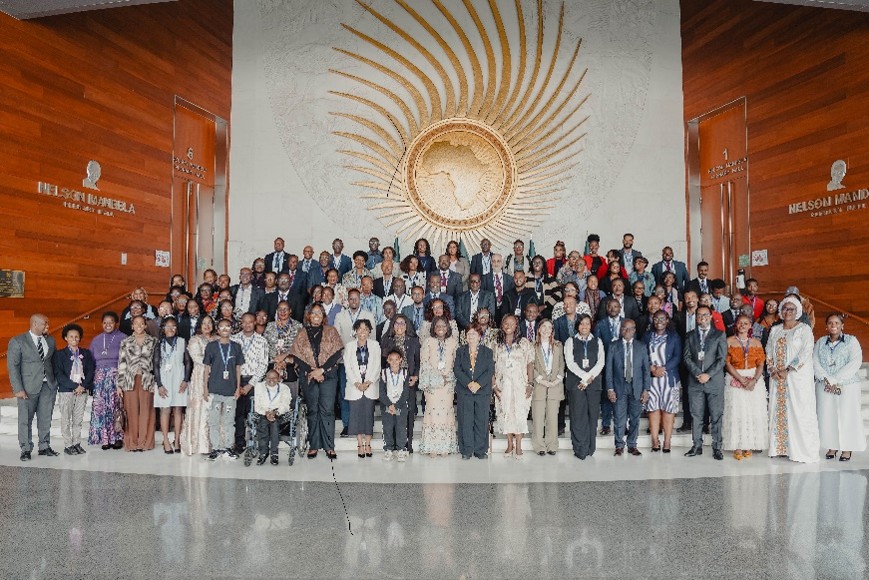
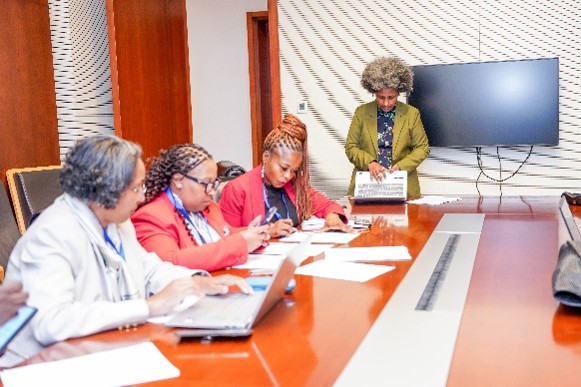
At the same time, ADF noted opportunities to further strengthen accessibility at future African Union events. While important progress has been made in promoting inclusive participation, ensuring fully accessible venues, information, communication, and event logistics remains essential for enabling the full and effective participation of persons with disabilities. Accessibility should be embedded from the earliest stages of planning to ensure that no participant is excluded.
The validation of the Common African Position on Ending Violence against Children and the African Union Model Law on Child Online Safety represents an important milestone in advancing child rights across the continent. ADF believes that these frameworks will be significantly strengthened by embedding disability inclusion as a cross-cutting principle, ensuring that children with disabilities enjoy equal protection, equal participation, and equal access to justice and support services.
ADF remains committed to working alongside the African Union, development partners, and other stakeholders to advance inclusive policies that uphold the rights of all children, including children with disabilities. Through continued advocacy and collaboration, the Forum will continue to champion disability-inclusive legislation, accessible systems, and meaningful participation to ensure that every child can live free from violence and thrive in an inclusive society.