The African Disability Forum (ADF) continues to advance disability rights across Africa through strategic partnerships, capacity building, and advocacy initiatives. As part of the Right in Action (RiA) project, ADF conducted a three-day mission in Abuja Nigeria, from 30th March to 1st April 2026, reinforcing its commitment to strengthening Organizations of Persons with Disabilities (OPDs) and promoting inclusive development.
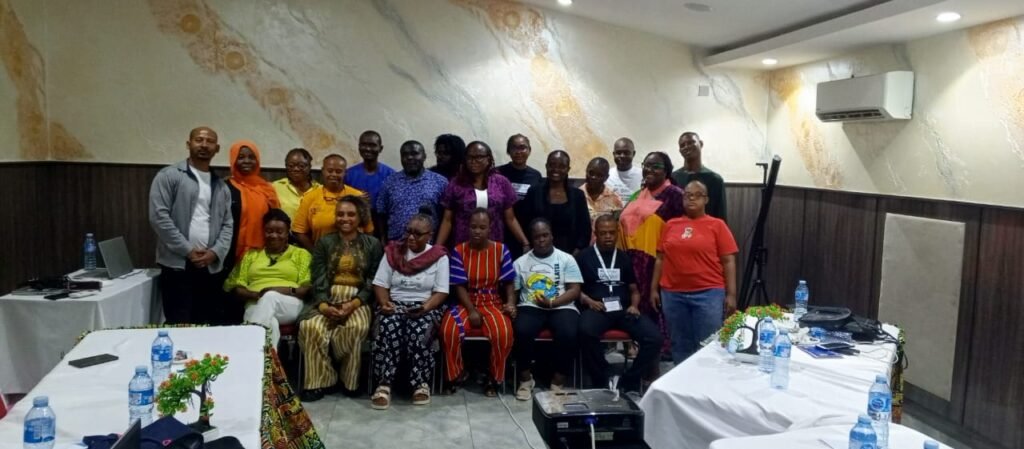
Representing ADF, Mr. Abebaw Abebe, Senior Program Manager and project focal point, led a series of engagements designed to enhance advocacy capacity, deepen understanding of disability rights frameworks, and strengthen collaboration among stakeholders working to advance inclusion. The mission combined technical training, policy dialogue, and multi-stakeholder engagement, with a strong focus on practical learning and impact.
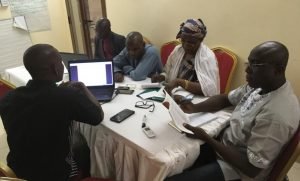
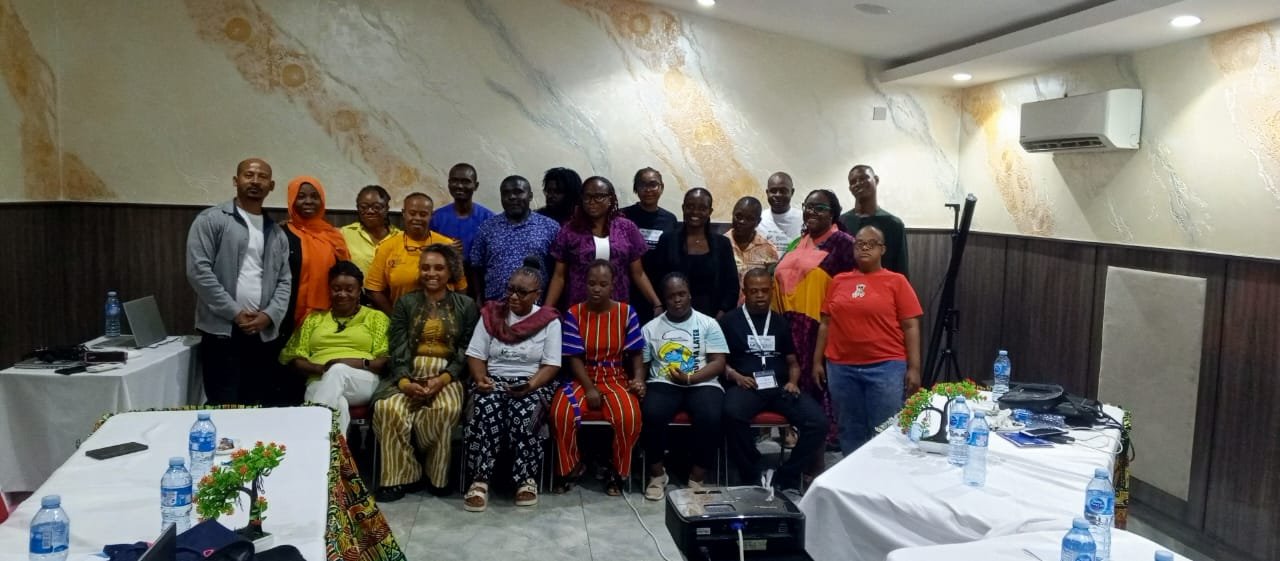
The first component of the mission focused on strengthening the capacity of OPDs and local partners participating in the Right in Action project. The training, supported by Inclusion Africa, a member of ADF and partner in the Right in Action Project, brought together a diverse group of participants, including representatives of under-represented groups such as persons with intellectual disabilities, their families, and grassroots organizations.
Participants were introduced to key international and global frameworks, including the UN Convention on the Rights of Persons with Disabilities (UN CRPD), and explored the application of a human rights-based approach to disability inclusion. The sessions also highlighted the intersection between disability and the Sustainable Development Goals (SDGs), emphasizing the importance of ensuring that no one is left behind in development processes.
A practical component of the training focused on the “Listen, Include, and Respect” strategy, which promotes meaningful participation of persons with intellectual disabilities in meetings and decision-making spaces. Participants also discussed global advocacy platforms such as the Global Disability Summit, gaining insights into how global commitments can be translated into national-level action.
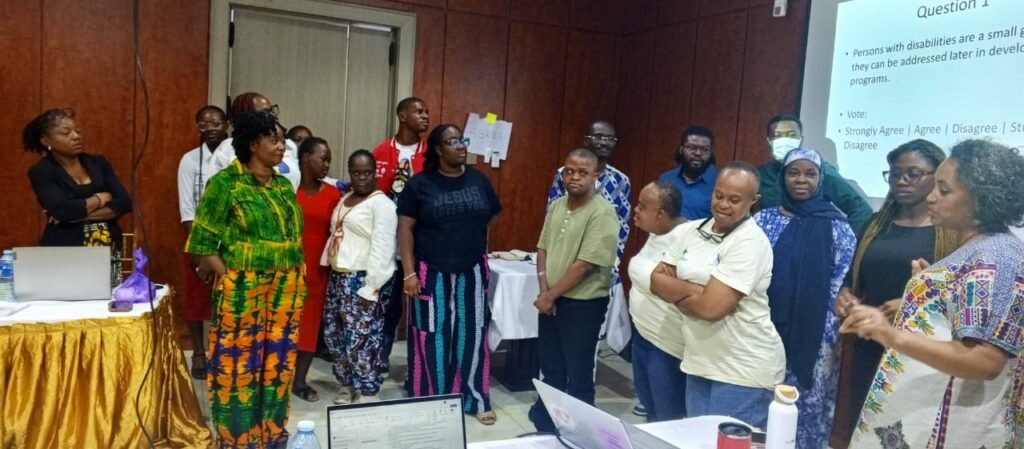
Spotlight on 1 April: Advancing Regional Advocacy through the African Disability Protocol
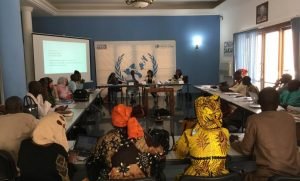
A major highlight of the mission was the dedicated session held on 1 April, where ADF delivered an in-depth training on regional advocacy frameworks, with particular focus on the African Disability Protocol (ADP). This session provided participants with a comprehensive understanding of the Protocol, including its origins, objectives, articles and significance within the African context. The discussion emphasized how the ADP complements and reinforces the UN CRPD, while also addressing unique regional realities that affect persons with disabilities across Africa.
Participants explored critical questions such as why the ADP matters, how it can be used as an advocacy tool, and what role OPDs can play in promoting its ratification, domestication, and implementation at national level. The session went beyond theory, offering practical guidance on how to engage policymakers, build coalitions, and influence policy processes.
In addition, the session introduced participants to broader continental frameworks such as Agenda 2063, highlighting the importance of aligning disability advocacy with Africa’s long-term development agenda. This helped participants understand how disability inclusion fits within wider socio-economic and political priorities on the continent.
Advocacy was a central theme throughout the day. Participants engaged in discussions on what constitutes effective advocacy, including the importance of evidence-based approaches, strategic communication, and coalition building. The session also emphasized the need for OPDs to move beyond participation to actively shaping policies and holding duty bearers accountable.
Reflecting on the purpose of the mission, Mr. Abebaw Abebe noted:
“Building the capacities of OPDs that are members of ADF is one of the focus areas of ADF. Fortunately, the Right in Action project provides space for ADF to actively contribute in this regard. That is why I came to Nigeria—to engage directly with OPDs, strengthen their skills in effective advocacy, and enhance their understanding of regional disability rights instruments such as the African Disability Protocol. ”
This hands-on engagement underscored ADF’s commitment to equipping its members with the knowledge and tools needed to drive change at national and regional levels.
Promoting Inclusive Education through Multi-Stakeholder Engagement
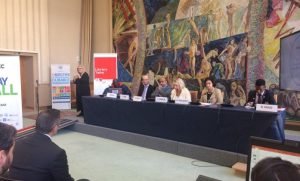
On 31 March, the mission also facilitated a major stakeholder convening under the theme: “Strengthening Inclusive Education Policy Implementation.” The event brought together a wide range of actors, including OPDs, families of persons with disabilities, caregivers, and organizations working with under-represented groups. The convening created an important platform for dialogue on the current realities of inclusive education in Nigeria. A keynote session examined both progress and persistent gaps in policy implementation, while an awareness-raising session addressed stigma and misconceptions surrounding intellectual disabilities. An advocacy-focused session highlighted the critical role of parents, caregivers, and communities in advancing inclusive education. Participants shared experiences and identified practical ways to support children with disabilities in accessing quality education. Through breakout discussions, participants identified key barriers to inclusive education and proposed community-driven solutions. A panel discussion on “From Policy to Practice” further explored the systemic changes required to ensure that policy commitments translate into meaningful outcomes on the ground.
The mission to Nigeria demonstrated the power of combining capacity building, policy engagement, and multi-stakeholder dialogue. By focusing on both knowledge development and practical application, the mission contributed to strengthening the advocacy capacity of OPDs and enhancing collaboration among key actors.
The strong emphasis on the African Disability Protocol and regional advocacy frameworks marked an important step in bridging the gap between global commitments and regional action. It also reinforced the role of OPDs as key drivers of change in advancing disability rights.
Through the Right in Action project, ADF continues to play a central role in connecting local experiences with regional and continental advocacy processes. The mission reflects ADF’s broader vision of a strong, coordinated, and empowered disability movement across Africa.
As ADF and its partners move forward, the knowledge, partnerships, and momentum generated from this mission will contribute to more effective advocacy, stronger institutions, and greater inclusion of persons with disabilities in all aspects of society.