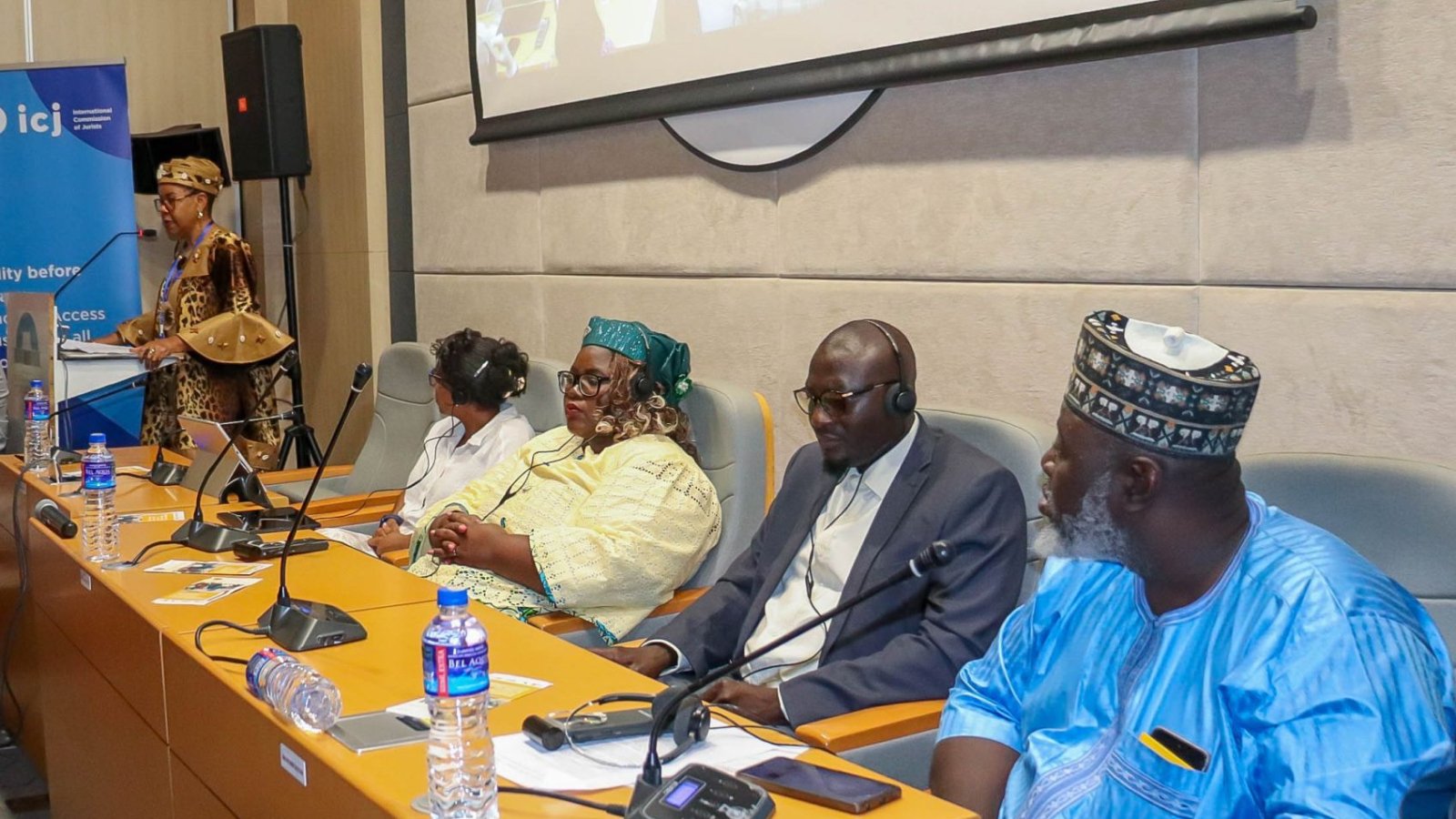
Marie Louise Abomo, Commissioner at the African Commission on Human and Peoples’ Rights speaking during the ACHPR side event|||

African Disability Forum at the 85th Ordinary Session of the African Commission on Human and Peoples’ Rights

The 85th Ordinary Session of the African Commission on Human and Peoples’ Rights (ACHPR) was held from 21–30 October 2025 in Banjul, The Gambia, bringing together African Union Member States, National Human Rights Institutions, civil society organizations, and regional and international partners. As Africa’s principal human rights forum, the Ordinary Sessions of the Commission play a critical role in promoting and protecting human rights, assessing State compliance with the African Charter on Human and Peoples’ Rights, and providing a platform for dialogue between duty bearers and rights holders.

This Session was particularly significant for the disability rights movement, coming at a time when the Protocol to the African Charter on Human and Peoples’ Rights on the Rights of Persons with Disabilities in Africa (African Disability Protocol – ADP) had entered into force. The focus has therefore shifted from advocacy for adoption to urgent calls for ratification, effective implementation, and accountability at both national and regional levels.

During the 85th Ordinary Session, the African Disability Forum (ADF) actively participated in a range of strategic engagements, reaffirming its role as a leading continental voice for organizations of persons with disabilities (OPDs) and strengthening the positioning of disability rights within Africa’s human rights architecture.

ADF played a central role in the side event titled “Making Disability Rights a Continental Pledge: A Call for Continental Ratification and Implementation of the Protocol to the African Charter on Human and Peoples’ Rights on the Rights of Persons with Disabilities in Africa.” The event brought together Commissioners, OPDs, States, and civil society actors to reflect on progress made and remaining gaps in the realization of disability rights across the continent.

Speaking during the side event, Idriss Maiga, President of the African Disability Forum, called on African States to accelerate the ratification and implementation of the African Disability Protocol. He emphasized that “the 80 million persons with disabilities in Africa should not be left behind due to lack of ratification of the Protocol,” underscoring that disability rights are human rights guaranteed under the African Charter on Human and Peoples’ Rights.

Marie Louise Abomo, Commissioner at the African Commission on Human and Peoples’ Rights, reminded States that the inclusion of persons with disabilities must not be treated as an option, but as a national and regional obligation. She noted that “ratification is only the first step, and what will truly make a difference in the lives of persons with disabilities is effective implementation of the Protocol.”
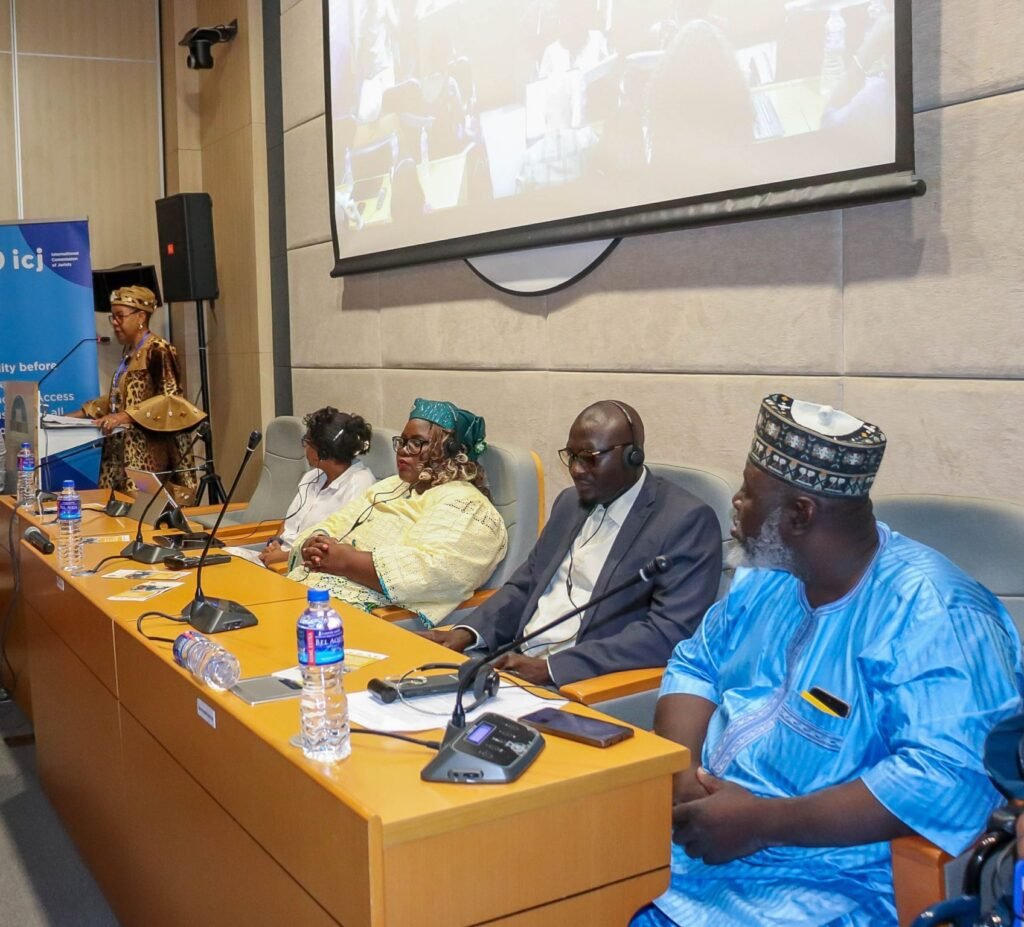
Marie Louise Abomo, Commissioner at the African Commission on Human and Peoples’ Rights speaking during the ACHPR side event

Beyond the side event, ADF held a bilateral meeting between representatives of Organizations of Persons with Disabilities and Hon. Marie Louise Abomo, Chairperson of the Working Group on the Rights of Older Persons and Persons with Disabilities. The meeting brought together OPD representatives from Kenya, Uganda, Togo, Ghana, Niger, Ethiopia, Cameroon, and Mali, providing a valuable platform to share national experiences, discuss common challenges in advancing disability rights, and learn directly how OPDs can more effectively engage with the African Commission’s mechanisms. This dialogue marked an important step toward strengthening collaboration between OPDs and the Commission, while reinforcing the principle of meaningful participation of persons with disabilities in regional decision-making processes.
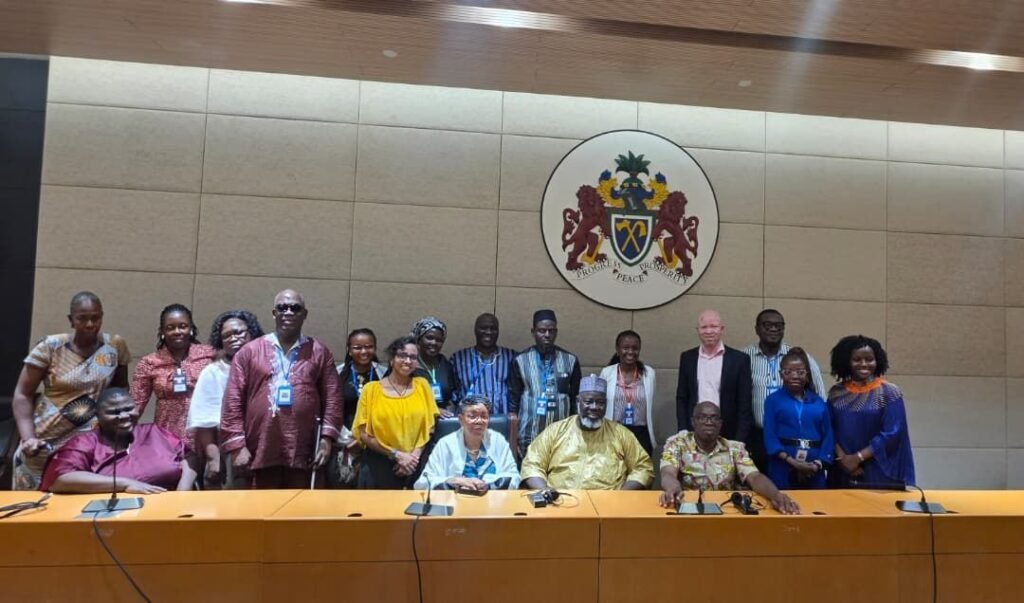
OPD representatives and Hon. Marie Louise Abomo, Chairperson of the Working Group on the Rights of Older Persons and Persons with Disabilities, during the bilateral meeting.

ADF also held bilateral discussions with the Deutsche Gesellschaft für Internationale Zusammenarbeit (GIZ) to explore opportunities for collaboration in advancing disability-inclusive human rights and development initiatives through the “Boosting Rights of Individuals with Disabilities in Africa ( BRIDGE Project). The discussions focused on strengthening OPDs capacity, implementation of the African Disability Protocol and enhancing OPD engagement at national and regional levels.

In addition, ADF participated in a consultation on a draft toolkit developed by the International Commission of Jurists (ICJ). The consultation provided an opportunity to contribute disability-focused perspectives and to ensure that the toolkit reflects the lived realities of persons with disabilities and supports effective use of regional human rights mechanisms for accountability and redress.

On Friday, 24 October 2025, ADF further contributed to the Session by participating in a panel discussion on the Protocol on Older Persons and the African Disability Protocol, organized by the Working Group on the Rights of Older Persons and Persons with Disabilities. Representing ADF, Komivi Ayassou, Executive Council Member, underscored the importance of the meaningful engagement of OPDs and called for greater accessibility across all sessions and mechanisms of the African Commission, emphasizing that inclusive participation is fundamental to the effective realization of disability rights. The panel reflected on lessons learned and future perspectives for strengthened protection of the rights of persons with disabilities and older persons, with renewed emphasis on the need for ratification and effective implementation of the Protocols across Africa.
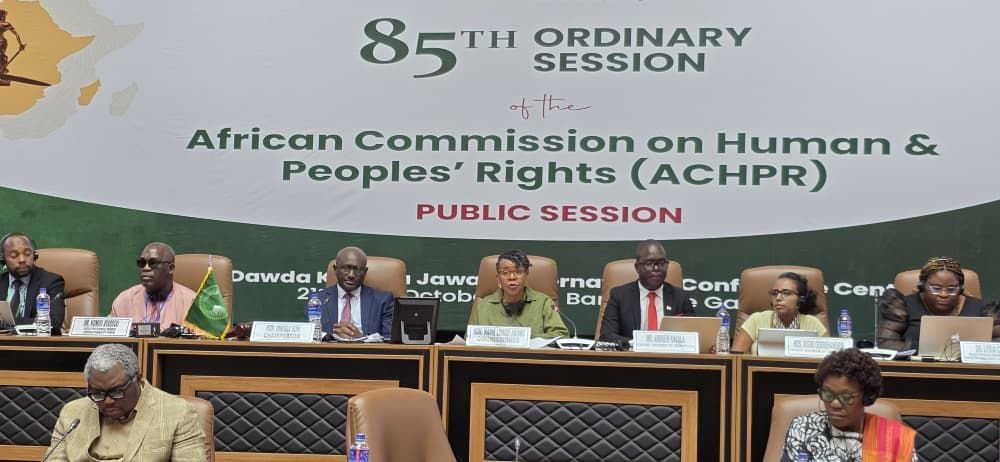
Panel discussion during the 85th Ordinary Session of the African Commission on Human & Peoples' Rights, highlighting advocacy for the Protocol on Older Persons and the African Disability Protocol.

ADF’s sustained advocacy and strategic engagement throughout the 85th Ordinary Session culminated in a historic milestone: the granting of Observer Status to the African Disability Forum by the African Commission on Human and Peoples’ Rights. This recognition significantly strengthens ADF’s ability to formally engage with the Commission, submit statements and reports, and amplify the voices of OPDs within Africa’s regional human rights system.
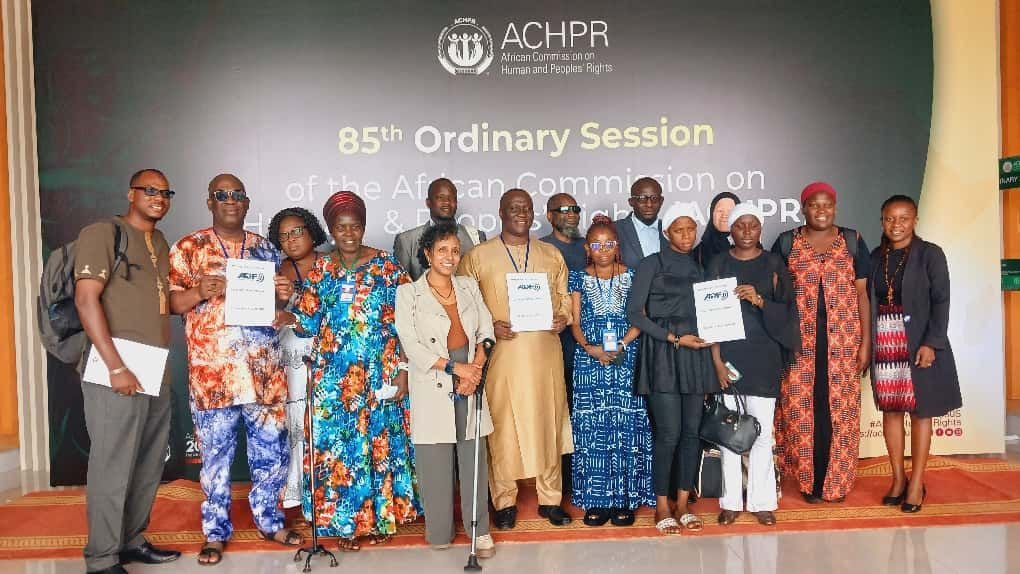
Group photo of ADF and OPD representatives at the 85th Ordinary Session of the African Commission on Human and Peoples’ Rights, celebrating the granting of Observer Status.

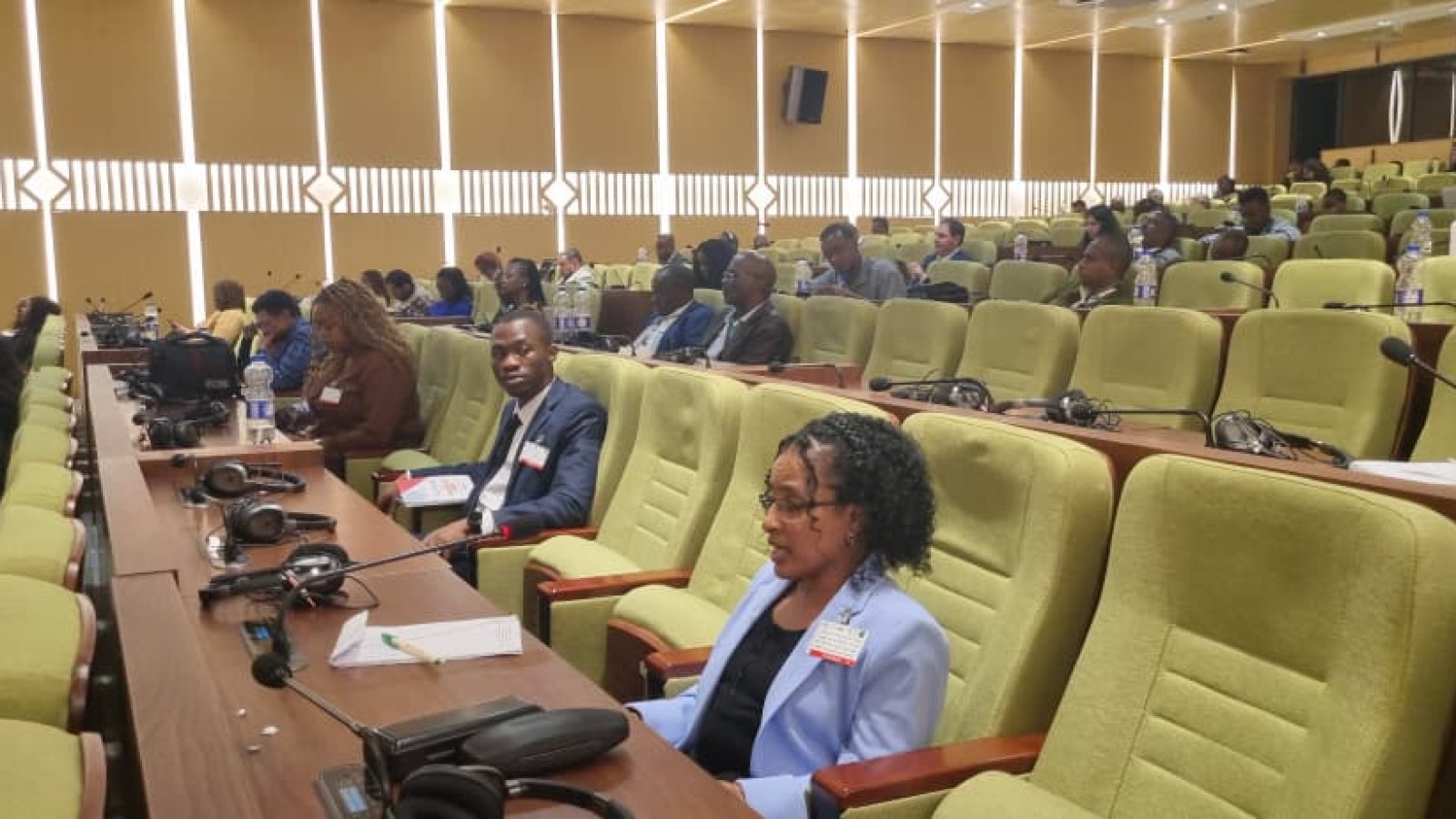
Shitaye Astawes, wearing a light blue jacket, speaks into a microphone while seated in a large conference hall with other participants in the background.

13th Conference on Climate Change and Development in Africa (CCDA-XIII)

Effective Approaches for Tackling Climate Risk in Africa

Ahead of the Second Africa Climate Summit (ACS2), the African Disability Forum (ADF) participated in one of the pre-summits of the 13th Conference on Climate Change and Development in Africa (CCDA-XIII), held from 5 to 7 September 2025. On this occasion, ADF’s Director for Advocacy and Communication, Ms. Shitaye Astawes, spoke on the panel Effective Approaches for Tackling Climate Risk in Africa as follows:

I am delighted and honored to speak at this panel on the occasion of the 13th Conference on Climate Change and Development in Africa.

In line to this panel and its overarching focus on effective approach for tackling climate risk in Africa, I will speak from the perspective of people with disabilities in Africa. Then, I think one of the approaches can be:

Embrace diversity, intersectionality and inclusiveness

While leaving the technical details for experts in the field, embracing diversity, intersectionality and inclusiveness as an approach to tackle climate risk is important.

Increasing heat in Sub-Saharan Africa counted in as one of the leading causes for an alarming onset of skin cancer on people with Albinism while skin care treatments and sun screen creams for daily use and without subsidies from states are very much expensive for most people in this spectrum.

Climate change impacts and its accompanying risks threatened and collapses several small-scale businesses at grass root levels and that is where you find women with disabilities, mothers of children with disabilities and youth with disabilities. The situation is worse in most African countries as social protection scheme is thin across the region.

The March 2023 Cyclone Freddy in Malawi and the case in Mozambique did not discriminate persons with disabilities or others with intersectional identities and vulnerable communities. Those are the ones who disproportionately impacted with such disasters and mainly due to lack of inclusive response. The existing practices on climate finance, the context of loss and damage as well as adaptation mechanisms do not adequately address persons with disabilities. Established systems on early warning and evacuation are highly discriminatory as they failed to be accessible to all. Most of all the continent suffered from absence of disability dis-aggregated data. And we need action in those areas.

However, and beyond the United Nations Convention on the Rights of Persons with Disabilities (UNCRPD), the Africa continent now have an AU legal instrument as African Disability Protocol (ADP) which to date secured 17 ratification and which clearly stipulated the essence of disability inclusion in Climate Change Actions in its Article 12.

Secondly,we need to apply the principle of stakeholders’ engagement at all levels.

The land mark principle, in UNCRPD, is meaningful engagement and equal participation.

Persons with disabilities including those who are underrepresented marginalized from climate actions while they are highly vulnerable to climate change risks and impacts. They need to be engaged so for their voice to be heard and to be included in matters that affected their lives.

Thirdly, building on climate smart, resilient and sustainable economy is Key:

The foundation for effectively tackling climate change impacts and risks is a strong national to local economy in all its forms.

Considering local economy, building on resilient and inclusive economy and keeping the effort to translate Sustainable Development Goals (SDGs) into practice is essential. I do not go to mention the goals as all the 17 Goals relates directly to economy. Is that not fantastic?

It is also good to Nurture indigenous knowledge

As Dr. Charles this morning also mentioned to be the “Continent of Solution” we must scale up indigenous knowledge. For instance, in this very land where we are having the conference and where we experienced painful landslides, the Ethiopian Konso people’s sophisticated, long-standing dry stone terracing system, which is a highly effective method for soil conservation and water management in that particular environment needs to be taken as best practice and nurtured as indigenous knowledge. This relates with the importance of scaling up and transforming indigenous knowledge.

As we pledge for more presence and participation in such platforms as well as for equity and equality, we need the understanding of climate and development experts and practitioners in changing the existing charity and medical based narrative to Human Rights Based Approach.

The reality, according to the World Health Organization report, is 1 in 10 people could have one or more forms of impairment and then disability.

Allow me to end by sharing the motto “Nothing About us without climate and development experts and practitioners all of us”. I thank you all!

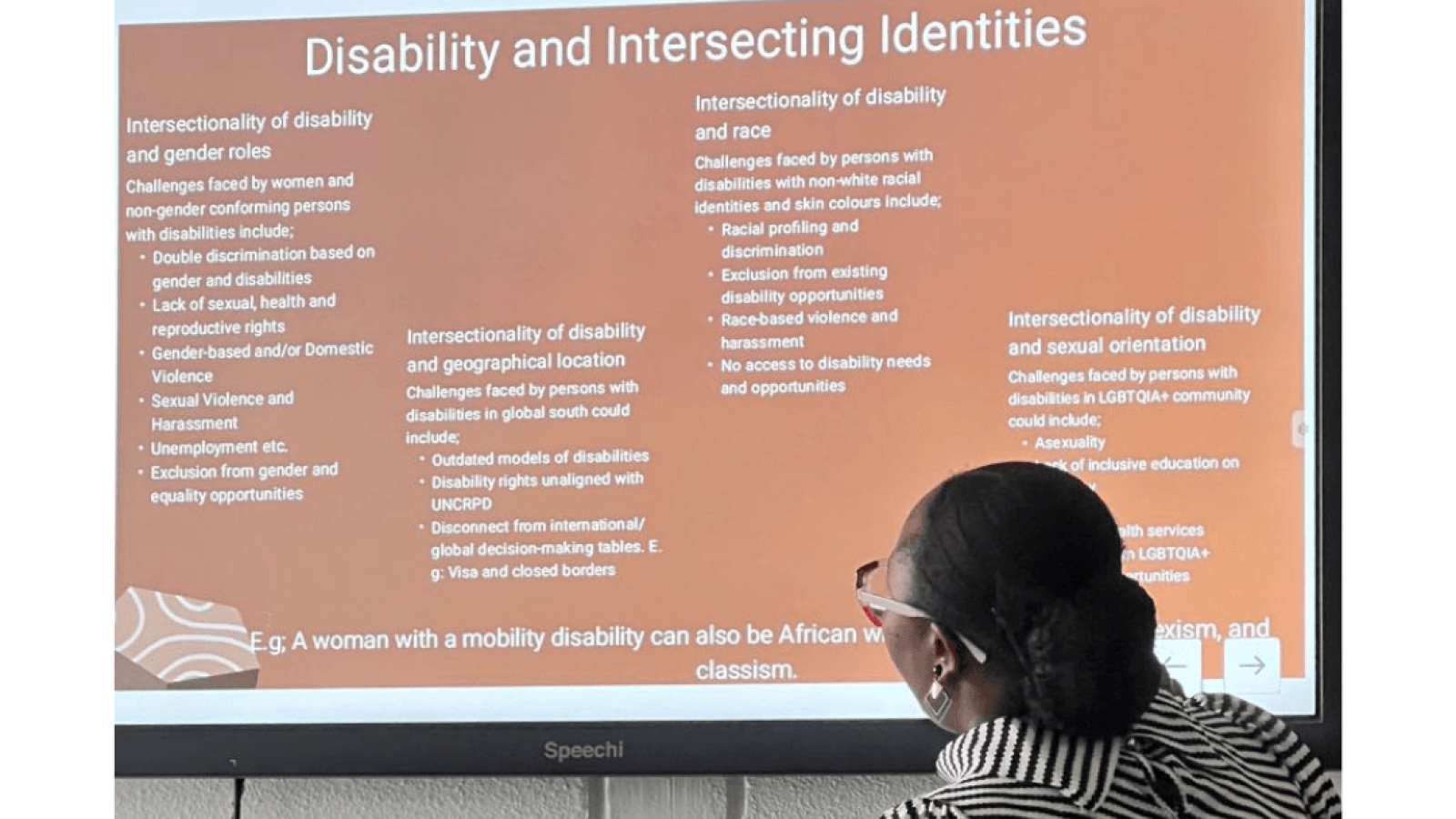
Heading that says Two Alumni Success Stories from the ADF Women’s Leadership Programme. An image below shows a woman facing a big screen as she is teaching. The screen says "Disability and intersecting identities"||||

Two Alumni Success Stories from the ADF Women’s Leadership Programme

About the Young African Women with Disabilities Leadership Program

The Young African Women with Disabilities Leadership Program is a regional, hybrid capacity-building initiative to empower young African women with disabilities. The Program runs over eight months of contact and virtual spaces and includes women with all types of disabilities and intersecting identities, fostering self-confidence and competence. The primary objective is to cultivate a robust, engendered Pan-African disability movement and strengthen the capacity of Organizations of Persons with Disabilities (OPDs) to advocate for the rights of women with disabilities effectively. The inaugural cohort included 16 young women with disabilities from 16 African countries and ran from 2022 to 2023.

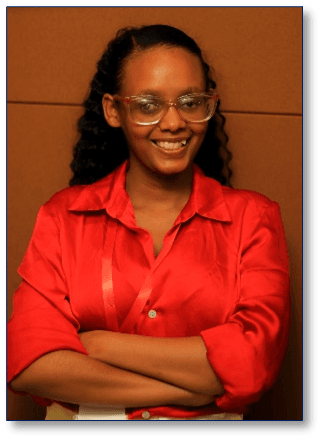
Rowena Dinah Koloi

Rowena Dinah Koloi is a highly motivated young lady who has seen the beauty of life through one eye. She holds a BCom in Real Estate and is currently a learner official (Real Estate officer) at Debswana Mining Company. She identifies as visually impaired (partially sighted).

Ms. Koloi is a published author of a motivational book titled ‘A Walk to Remember: Disability is not Inability.’ She has participated in the auspicious Young Global African Leader’s exchange program offered by the U.S.A Department of State in Washington, D.C.

She is the founding Director of the Abilities Expo, a space created for young people with disabilities in Botswana to showcase their different abilities.

She is also the chairperson of the Network of Young People with Disabilities. The Network aims to ensure adequate representation of young people with disabilities in different SRH policies and programming platforms.

Ms. Koloi has represented Botswana and young women with disabilities as a panelist, speaker, trainer and facilitator on several regional and continental platforms since her selection as a participant in the African Disability Forum (ADF) leadership program for young African women with disabilities in 2022, including the 8th Regional Steering Committee Meeting for the UNFPA Flagship program for young people (Safeguard Young People program) in South Africa, Namibia, and Mozambique, the 4th Southern African Regional Student and Youth Conference (SARSYC) in Lilongwe, Malawi, the Conference (WEB for Life session), a discussion on sexual reproductive health and rights for young girls and women with vision impairment during the commemoration of the International Day of the Girl Child, the East and Southern Africa UN Inter-Agency Working Group on Disability Inclusion Virtual dialogue on partnerships to end violence against women and girls with disabilities in Eastern and Southern Africa, the World Aids Day virtual panel discussion on “Girls’ voices in Ending Aids, the Women Enabled International (WEI) and UNFPA Global Sexual & Reproductive Health and Rights and Gender-Based Violence and Related Services for Women and Young People with Disabilities Curriculum, the YOUTHCONNEKT Summit in Kenya, Nairobi, focusing on empowering youth and addressing their vulnerabilities in mental health and sexual reproductive health.

Ms. Koloi has been honored with the prestigious Best Youth with Disabilities Pioneering Disability Issues Award at the Botswana Youth Awards 2022/2023. This accolade is a testament to her unwavering commitment to empowerment, advocacy, and making a positive impact in her community.

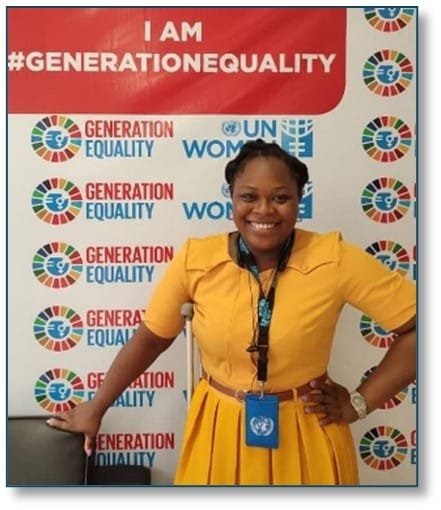
Uzoamaka Anita Asiegbu

Uzoamaka Anita Asiegbu is a Gender and Disability Inclusion specialist passionate about championing the representation and mainstreaming of women with disabilities in all aspects of society.

With experience working with UN Women, and completing her post-graduate degree in Women and Gender Studies (GEMMA) from the University of Lodz, Poland and the University of Bologna, Italy, Uzoamaka has mastered the requisite skills to ensure the inclusion of women with disabilities in gender equality.

Uzoamaka is particularly devoted to ensuring the inclusion of women with disabilities in workplaces and organisational cultures. As a woman with a disability, she understands first-hand how impactful it is for women with disabilities to be independent and earn a sustainable living. She is committed to ensuring this happens for as many women with disabilities as possible through workplace inclusion advocacy.

In 2023, Uzoamaka was nominated for a Woman of Europe Award under the Young Woman of Europe category based on her works on the full inclusion of women with disabilities in Gender Equality agenda.

In the nearest future, Uzoamaka plans for a society where women with disabilities do not just occupy prominent spaces but also create renowned spaces in diverse industries.

Uzoamaka is an alumna of the Young African Women with Disabilities Leadership Programme 2022, hosted by the African Disability Forum (ADF). She is currently working as an intern at the International Labour Organisation’s headquarters in Geneva where she supports the ILO Global Business and Disability Network secretariat to promote disability-inclusive workplaces for member companies.